
The opioid crisis continues to impact families and communities throughout Dorchester and the greater Boston area. At Clearhaven Recovery Center, we work with individuals every day who are navigating the challenging reality of opioid addiction. We understand the fear, the uncertainty, and the hope that exists within each person who reaches out for help. Our goal with this article is to provide clear, accurate information about the opioids affecting our community and to remind you that effective treatment exists.
The Opioid Crisis in Dorchester
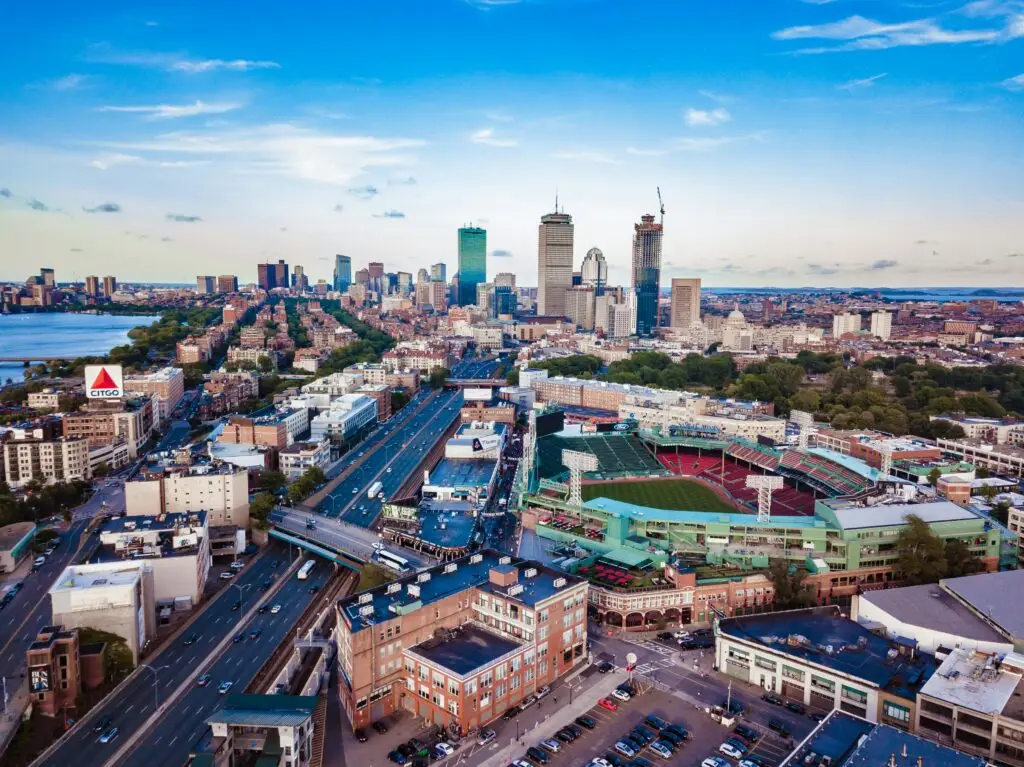
Dorchester, one of Boston’s largest and most diverse neighborhoods, has felt the devastating effects of the opioid epidemic acutely. Families have lost loved ones, communities have been strained, and countless individuals continue to struggle in silence. According to the Massachusetts Department of Public Health, Suffolk County, which includes Dorchester, consistently reports some of the highest numbers of opioid-related overdose deaths in the state.
We share this information not to alarm you, but to emphasize the urgency of understanding these substances and seeking help when needed. Knowledge empowers action, and action saves lives.
Prescription Opioids: Where Many Journeys Begin
For many individuals we treat, opioid addiction began with a legitimate prescription. Medications like oxycodone (OxyContin, Percocet), hydrocodone (Vicodin), morphine, and codeine serve important medical purposes when used appropriately. However, these powerful substances carry significant risks for dependency.
Prescription opioids work by binding to receptors in the brain, blocking pain signals and releasing dopamine. This combination of pain relief and pleasurable sensations can quickly lead to tolerance, meaning higher doses become necessary to achieve the same effects. From there, physical dependence develops, and stopping the medication causes uncomfortable withdrawal symptoms.
We want you to know that developing a dependency on prescribed medication does not represent a personal failure. The brain and body respond to these substances in predictable ways, and many people find themselves caught in a cycle they never anticipated. Recognizing this pattern and seeking professional support represents a courageous first step toward recovery.
Heroin: A Dangerous Progression
When prescription opioids become difficult to obtain or too expensive, some individuals turn to heroin as a more accessible alternative. Heroin produces similar effects to prescription opioids but carries even greater risks due to its unregulated nature. Users never know exactly what they’re consuming or how potent each batch might be.
In Dorchester and surrounding communities, heroin remains readily available, creating ongoing challenges for individuals trying to break free from addiction. The substance can be injected, smoked, or snorted, and each method of use carries its own health risks, including infectious diseases, respiratory problems, and overdose.
We see individuals from all backgrounds who have found themselves dependent on heroin. Their stories remind us that addiction does not discriminate. What matters most is not how someone arrived at this point, but their willingness to move forward toward healing.
Fentanyl: The Most Dangerous Threat
Fentanyl represents the most significant opioids affecting communities around Dorchester. This synthetic opioid is 50 to 100 times more potent than morphine, and even tiny amounts can cause fatal overdoses. Drug suppliers frequently mix fentanyl into heroin, counterfeit pills, and other substances, often without users’ knowledge.
The presence of fentanyl in the drug supply has dramatically increased overdose deaths across Massachusetts and the nation. Many individuals who experience overdoses had no idea they were consuming fentanyl at all. This unpredictability makes every instance of opioid use potentially life-threatening.
We urge anyone using opioids to understand this risk and to consider treatment before tragedy strikes. We also encourage family members and friends to learn about naloxone (Narcan), a medication that can reverse opioid overdoses and save lives in emergency situations.
The Path to Recovery
Understanding these substances helps illuminate why professional treatment matters so much. Opioid addiction changes brain chemistry and function, making it extremely difficult to stop using without medical support and therapeutic intervention.
At Clearhaven Recovery Center, we offer comprehensive treatment programs that address both the physical and psychological aspects of opioid addiction. Our medical team provides supervised detoxification to manage withdrawal safely and comfortably. Our therapists work with each individual to uncover underlying factors contributing to addiction and develop healthy coping strategies.
We believe deeply in the involvement of family and community throughout the recovery process. Addiction affects everyone connected to the individual struggling, and healing works best when it includes rebuilding those vital relationships. Our family programs provide education, support, and opportunities for connection that strengthen recovery outcomes.
You Don’t Have to Face This Alone
If you or someone you love is struggling with opioid addiction in Dorchester, Boston, or the surrounding areas, we want you to know that hope exists. Recovery is not only possible—it happens every day. We have witnessed countless individuals reclaim their lives, restore their relationships, and build futures they once thought impossible.
We invite you to contact Clearhaven Recovery Center today. Our compassionate admissions team is ready to listen to your story, answer your questions, and help you explore treatment options that fit your needs. Taking this step requires courage, and we are here to support you through every phase of the journey. Please reach out—your path to recovery can begin right now.